

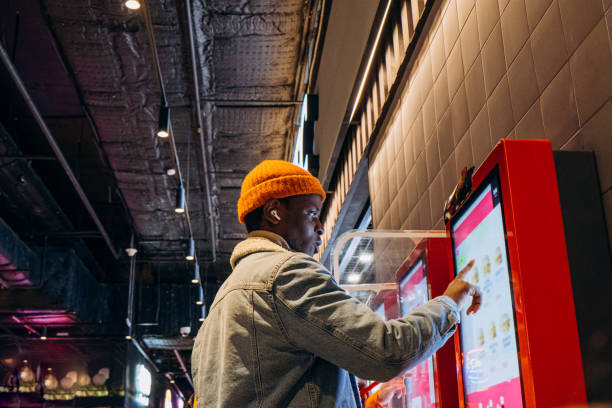
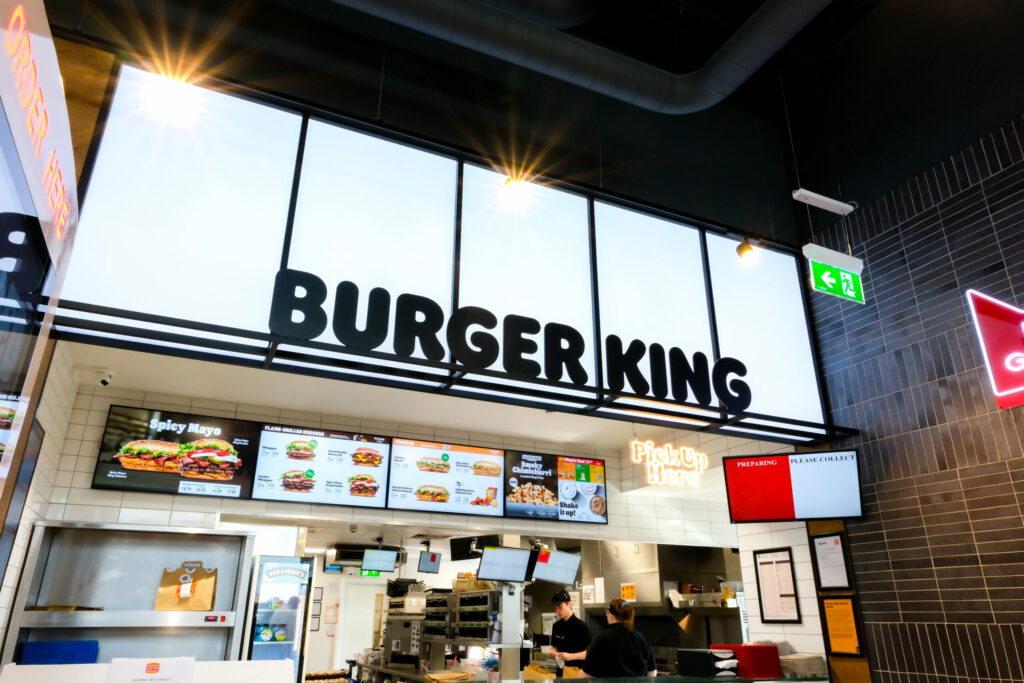
Walk into any forward-thinking QSR in 2025, and you’ll see fewer static boards and more intelligent digital displays. From McDonald’s to local chains, the UK quick-service restaurant (QSR) industry is going through a fundamental shift. Static menu boards are out, real-time, dynamic digital systems are in.
According to a 2023 report by Screenfluence, restaurants that use digital menu boards experience up to 38% uplift in sales for promoted items and an average 10–15% improvement in customer recall. But this change isn’t just about revenue, it’s about operational control, compliance, and experience.
Static Menus = Missed Revenue
QSR environments move fast. Dayparts shift rapidly, menus change weekly, and customers expect accurate pricing and instant updates. Static menus, whether printed or traditional backlit boards—are slow, expensive to update, and inflexible when it matters most.
Let’s say a franchise is running a two-hour breakfast promo across 300 sites. With static boards, that’s a logistical nightmare. With digital, it’s a centralised update executed in minutes.
And that agility drives sales. In a 2022 case study by Digital Signage Today, one QSR chain using dynamic pricing via digital menu boards saw a 25% sales increase on time-limited deals compared to printed counterparts.
Compliance is Getting Stricter
From calorie information to allergen alerts, UK food compliance requirements are tightening. Manually updating printed boards creates risk. Miss a price update? You’re liable. Fail to reflect an allergy warning? It could cost more than brand damage.
Digital menu boards solve this. Centralised CMS systems ensure consistency across all locations, and updates can be timestamped, archived, and instantly applied chain-wide. This isn’t just more efficient, it’s legally safer.
Smart Scheduling and Dynamic Offers
The real power behind digital menus isn’t just display, it’s automation. Leading systems now allow for:
- Daypart menus that automatically shift from breakfast to lunch to dinner
- Weather-triggered promos (think hot drinks on rainy days)
- Stock-sensitive pricing (like promoting high-margin items when demand dips)
And because these updates happen in real time, brands can react instantly to localised events. Rain in Manchester? Push umbrella meal deals to those drive-thru screens.
Streamlined Rollouts Across Estates
For QSRs with dozens, or hundreds, of sites, digital transformation can feel daunting. But modern systems are designed for scale.
With the right platform, content can be rolled out across an entire estate in minutes. And with tools like screen health monitoring and real-time playback reports, head office teams stay in full control.
One UK chicken franchise implemented remote updates across 100+ stores and reduced in-store menu inconsistencies by over 90% in six months. That’s standardisation that saves time and builds trust.
Why This Isn’t Just a Tech Upgrade
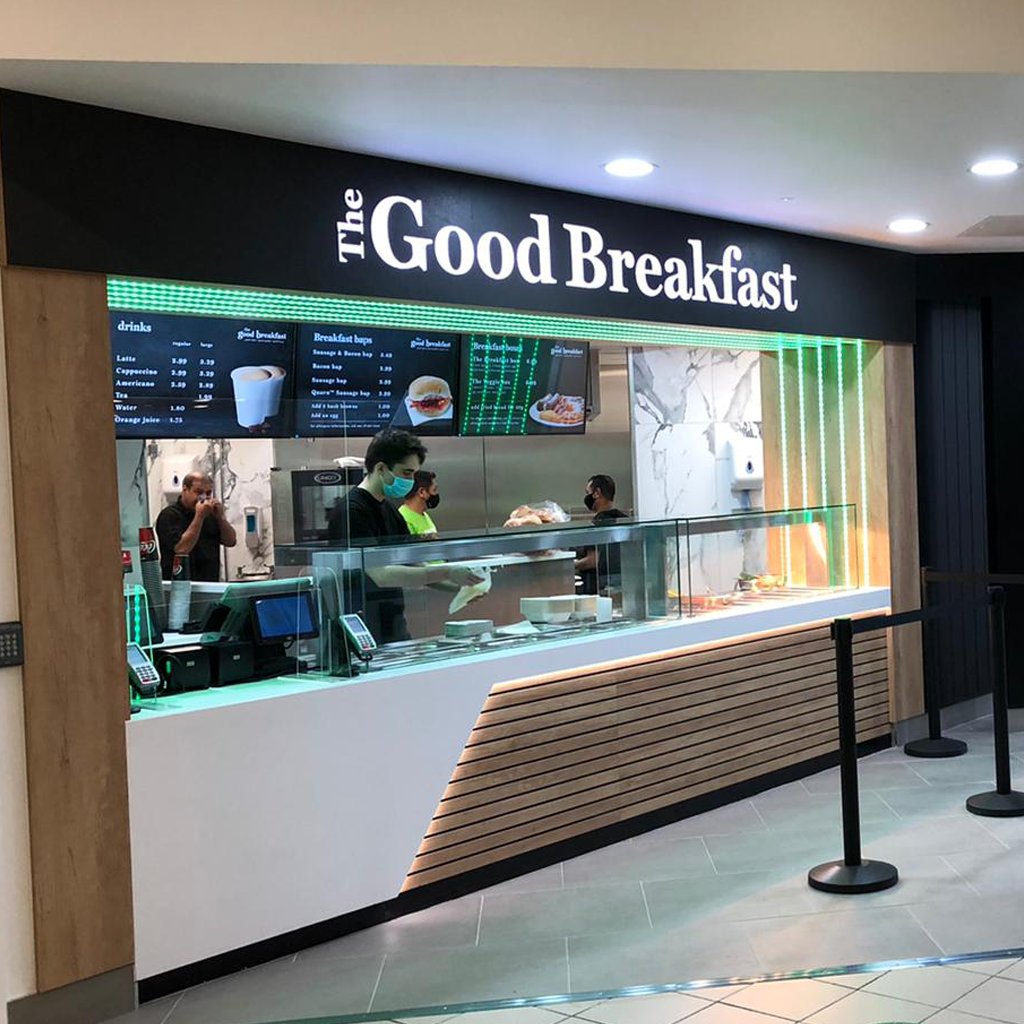
This shift isn’t about replacing posters with screens. It’s about giving QSR brands the agility, insight, and compliance power they need in a volatile market. With inflation, consumer demand shifts, and regulatory pressure rising, smart menu systems are becoming essential.
And it’s not just the big chains. Independent operators and franchise groups are seeing ROI in months, not years, when switching to digital.
How IUF Makes Menu Boards Smarter
At IUF, we design, install, and support dynamic menu board solutions built for the QSR pace of play. From drive-thru screens to indoor displays and full CMS control, we help brands take control of pricing, promos, and compliance.
Our systems allow for weather-based triggers, stock-linked updates, and daypart content shifts, all monitored through Eversight for estate-wide visibility.
If you’re looking to modernise your menu strategy in 2025, talk to us about building a smarter, safer, more profitable digital estate.
Talk to us about transforming your menu boards into a real-time business tool.