

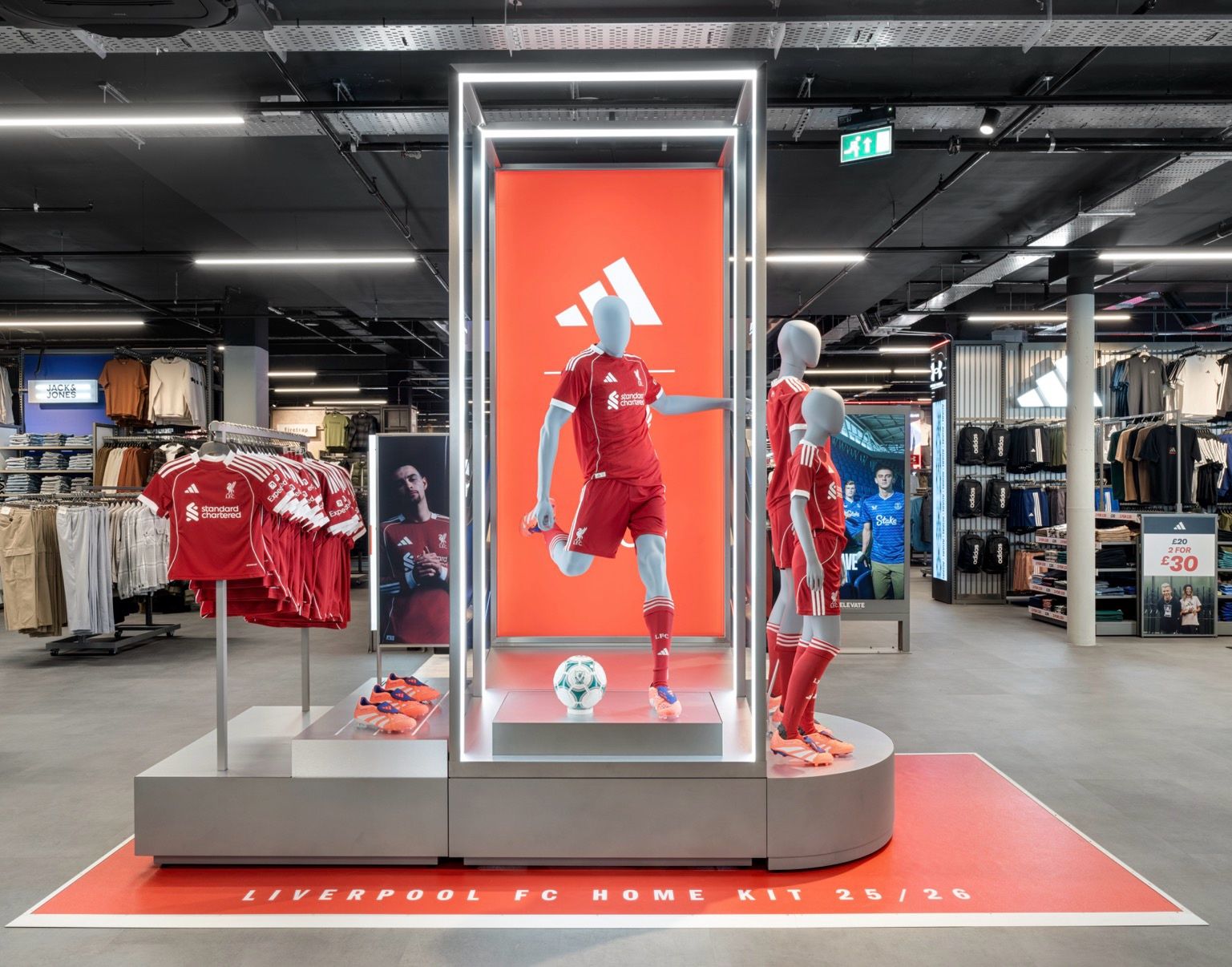
Retail is no longer just about shelves and stock, it’s about experience, engagement, and control. In 2025, digital signage has officially outgrown its old job as a “nice-to-have” visual layer. Today, it’s a strategic asset.
Whether in high-street fashion, grocery chains, or QSR franchises, screens are now revenue tools, compliance platforms, and digital storytellers. And brands that understand this shift are seeing measurable performance gains across their estates.
Static Signage Is No Longer Enough
Once upon a time, digital signage was just a flashy upgrade from printed posters. But today, it’s become essential infrastructure. In a world of hyper-personalised shopping, constantly changing promotions, and rapid estate growth, static or manual systems simply can’t keep up.
According to Digital Signage Today, retailers who adopt dynamic digital signage see an average sales lift of 29.5%. That’s not design, it’s data. And it’s reshaping how we think about in-store environments.
Storytelling and Selling: One Screen, Many Jobs
Modern signage plays multiple roles. At the front of the store, it acts as a brand beacon, creating high-impact moments that align with national campaigns, social content, or cultural events. In-aisle, it supports promotions, launches, or educational messaging.
But the real shift has come with retail media.
More and more, retailers are using their screen networks to sell space to partner brands, unlocking a new revenue stream. These media networks aren’t just powerful, they’re profitable. And for this to work, signage must be centralised, data-integrated, and dynamically programmable.
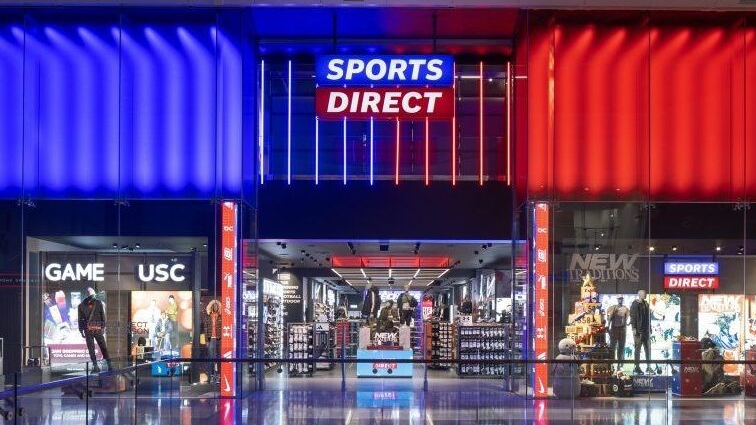
CMS Power and Smart Scheduling
Forget USB sticks and manual swaps. Today’s retail signage is powered by intelligent CMS systems that allow for:
- Campaign scheduling by time, date, or region
- Real-time updates based on stock, weather, or sales data
- Network-wide changes with a single command
One fashion retailer recently used dynamic signage to trigger different campaigns by temperature, boosting outerwear sales during cold spells without staff intervention. That’s performance, not promotion.
Estate Visibility: You Can’t Optimise What You Can’t See
Retailers now operate across dozens, sometimes hundreds, of locations. Controlling and measuring performance at scale has become a top priority.
That’s where smart estate monitoring comes in. Platforms like Eversight™ offer real-time visibility into screen health, content playback, and power status, giving ops teams the insight to fix, adapt, or scale campaigns with confidence.
In a recent deployment, one UK-wide retailer reduced screen downtime by over 90% within six months of adding monitoring and alert systems.
What This Means for 2025 Retail Strategy
With content consumption habits changing and digital expectations rising, signage is no longer just functional, it’s experiential, programmable, and monetisable. Retailers who treat it as a strategic asset will:
- Drive higher engagement and dwell time
- Improve campaign agility and relevance
- Generate media revenue from partners
- Maintain consistency and compliance across estates
In short: they’ll outpace those still treating screens as decoration.
How IUF Powers Performance
At IUF, we design, deploy, and support intelligent digital signage systems that don’t just look good—they work. Across fashion, QSR, and high street retail, we help brands control content at scale, monitor estates in real time, and unlock new performance layers through retail media networks.
From flagship installs to estate-wide rollouts, our CMS and support infrastructure puts brands back in control of their digital spaces.